For the best experience, this project uses the Webflow Input Enhancer extension. We highly recommend installing it. Click here to download (use preview mode to access link)
2026 AI Threat Landscape Report
The most comprehensive security platform for AI
Backed by patented technology and industry-leading adversarial AI research, our platform provides AI Discovery, AI Supply Chain Security, AI Attack Simulation, and AI Runtime Security.
Trusted by Industry Leaders
Understanding Today’s AI Risk Landscape
AI is showing up everywhere.
Developers are embedding AI into tools and workflows faster than security teams can track, leaving blind spots that grow before anyone notices.
Most companies rely on AI from outside sources.
Third-party models introduce unknown code and vulnerabilities, and it’s hard to secure what you didn’t build yourself.
What happens when your AI is attacked?
Traditional tools can’t test or predict how applications behave under pressure, making it hard to know if your defenses actually work.
AI security isn’t built into company playbooks yet.
Most organizations lack the tools and plans to detect or respond when AI systems are compromised.

The HiddenLayer AI Security Platform secures agentic, generative, and predictive AI applications across the entire lifecycle, protecting IP, ensuring compliance, and enabling safe adoption at enterprise scale.
The HiddenLayer AI Security Platform
Our platform proactively defends against the full spectrum of AI threats, safeguarding your IP, compliance posture, and enterprise operations.
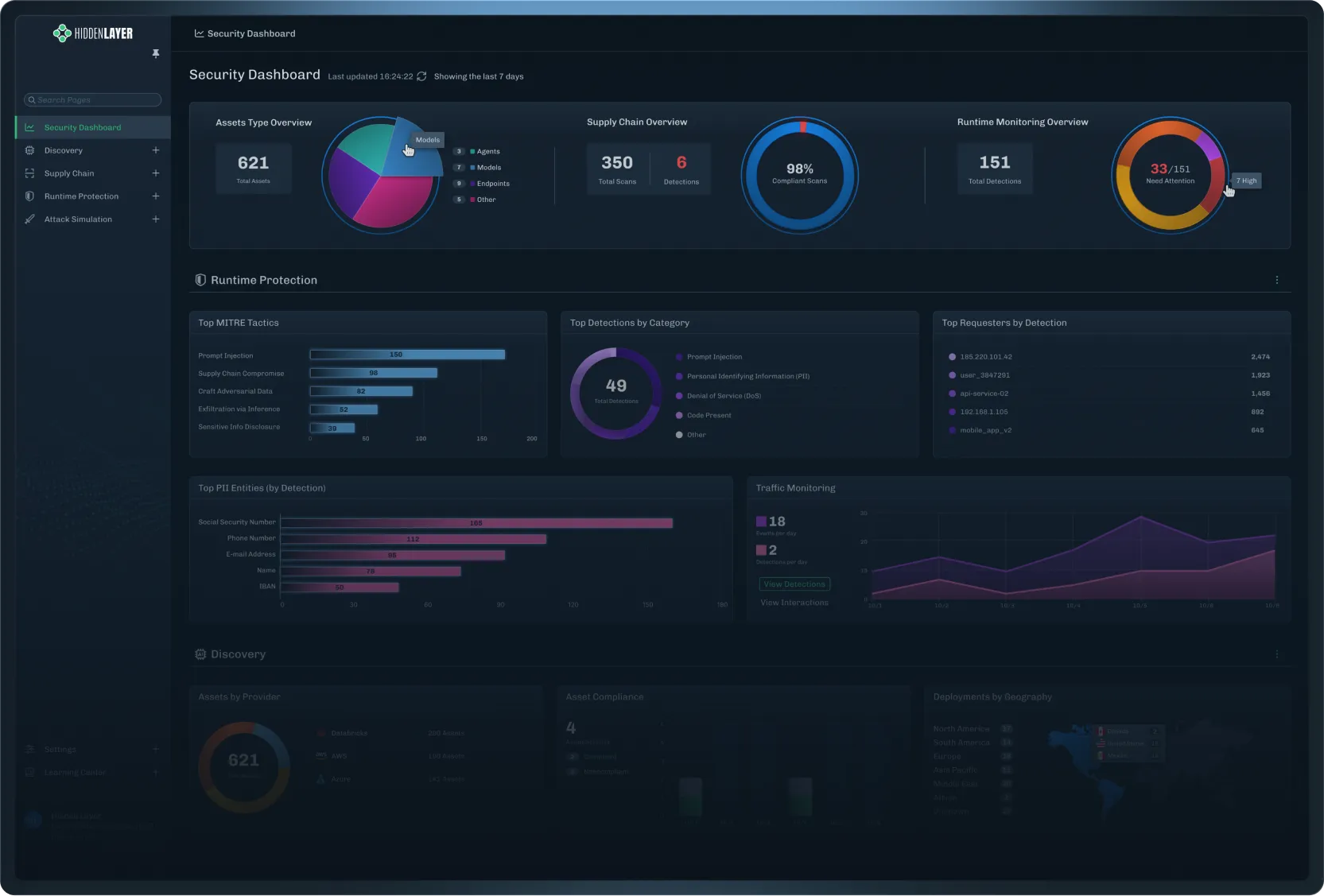
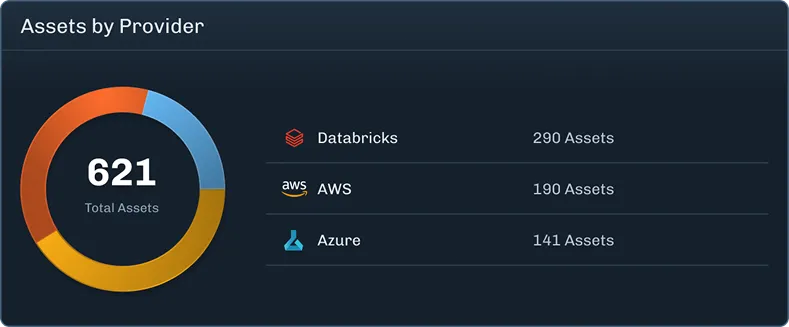
Identify and build an inventory of the AI applications, models, and assets in your environment.
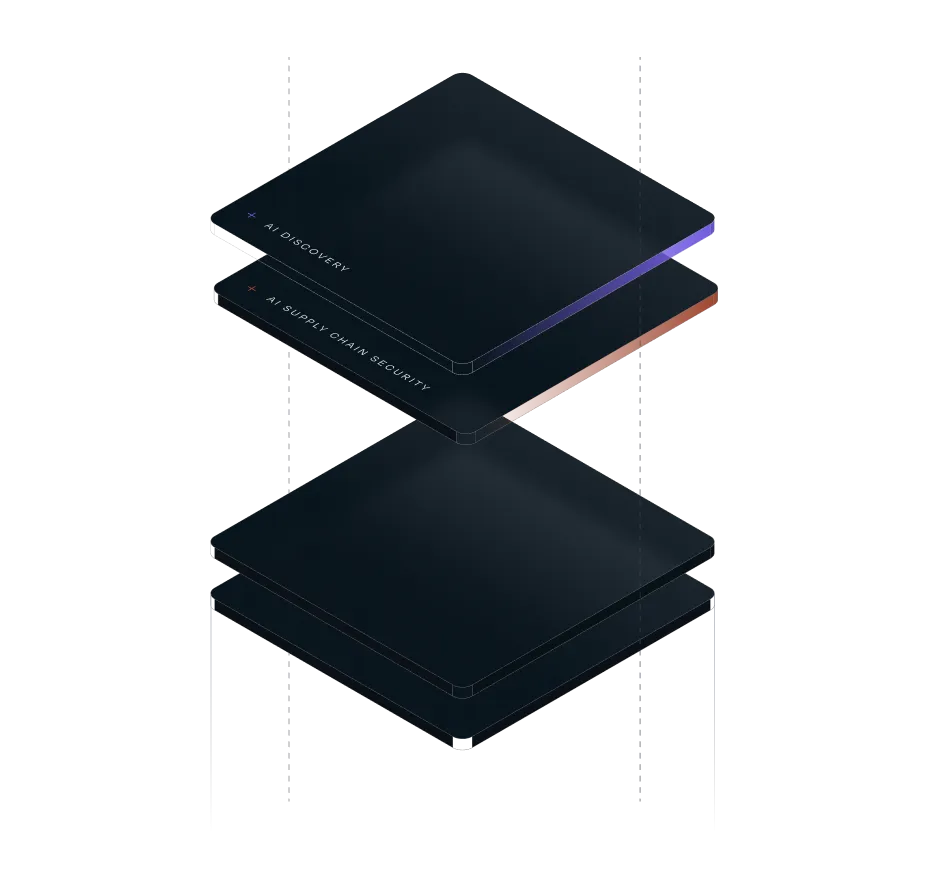
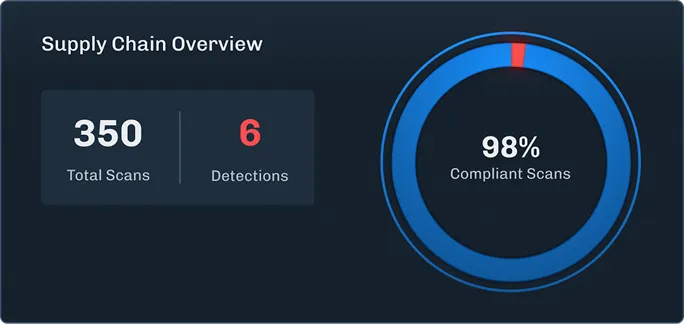
Analyze, identify risks, and protect your AI applications, models, and assets as you build.
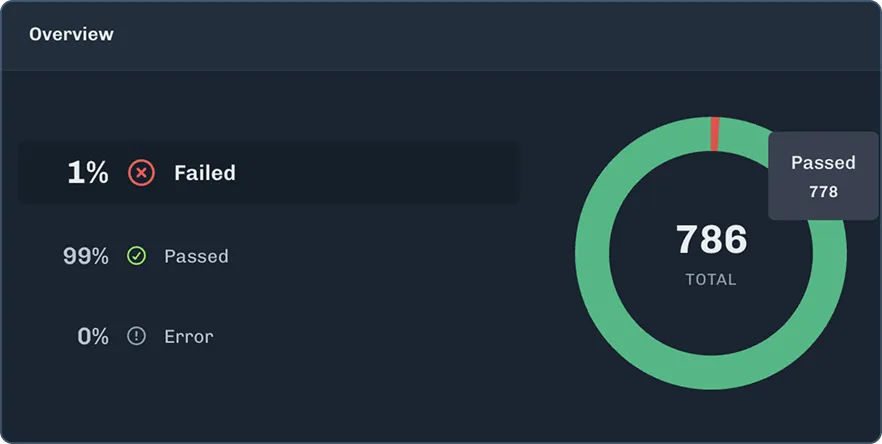
Continually identify threats and validate defenses to safeguard agentic and generative AI applications at scale.
Firewall to monitor, detect, and respond real-time to adversarial threats on agentic and generative AI applications.
Native Integrations
Simplified deployment with pre-built integrations into CI/CD, MLOps, Data Pipelines, and SIEM/SOAR.
The Data Backs Us Up
75
%
+
Reduction in exposure to AI exploits
50
+
𝘊𝘝𝘌𝘴
Disclosed through our security research
30
+
Issued patents
Use Cases
Secure your AI with precision-built defenses.
01
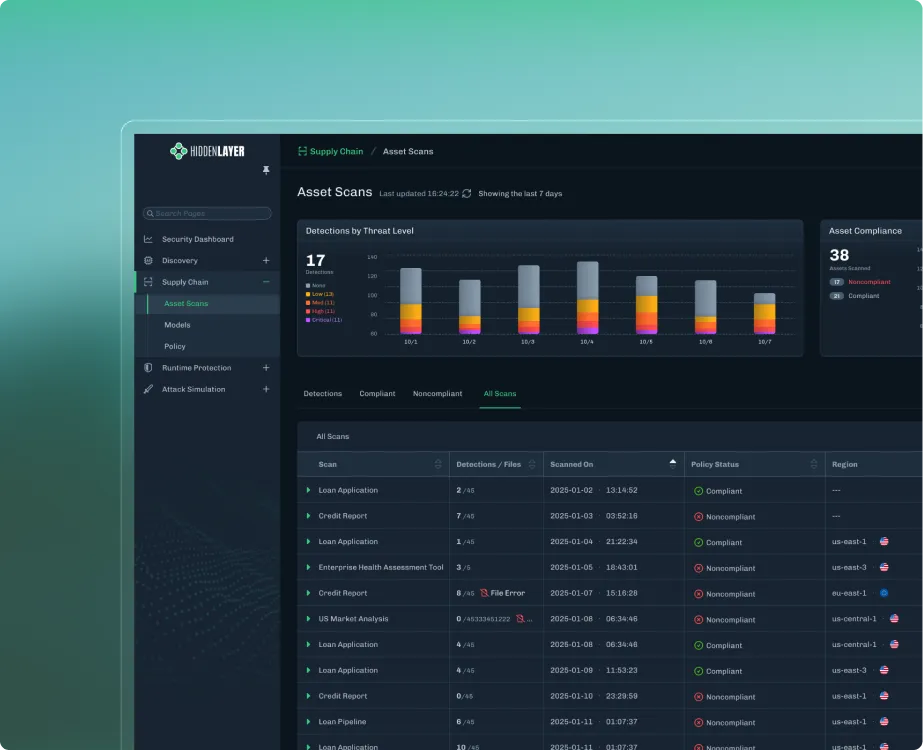
Model Scanning
Detect hidden risks in third-party and proprietary models.
02
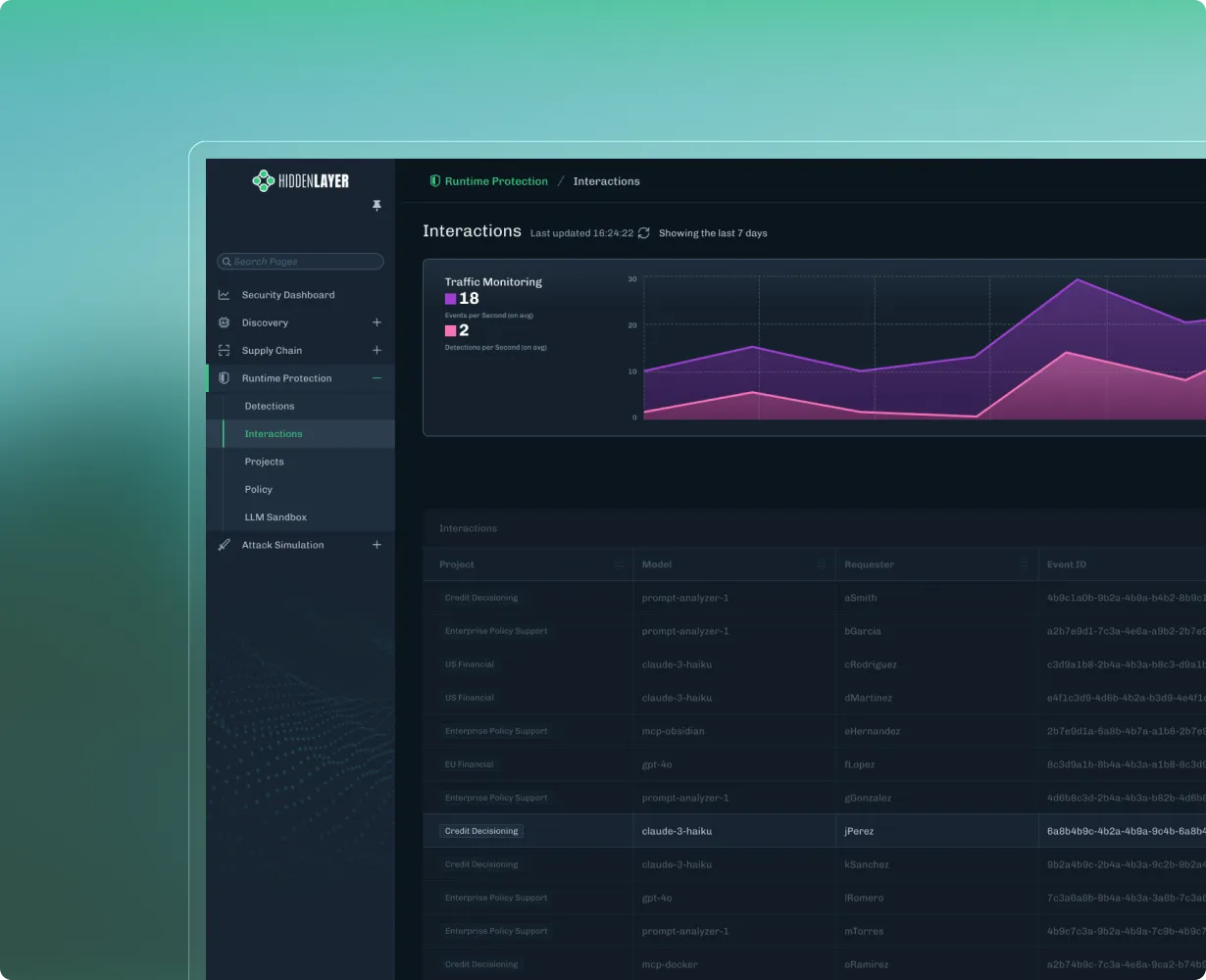
Red Teaming
Identify threats early and validate defenses continuously.
03
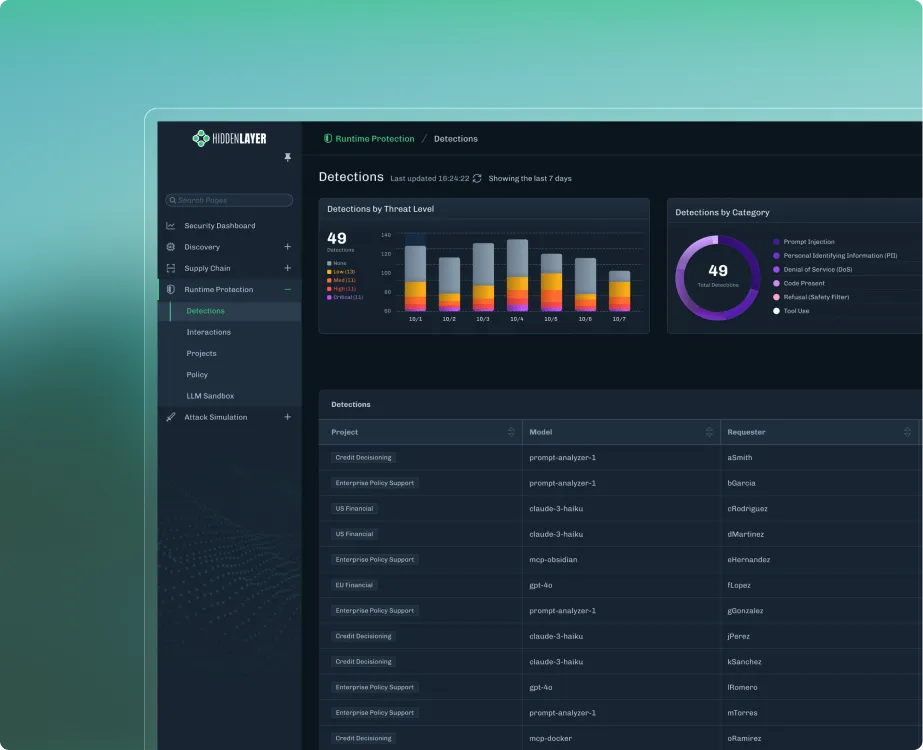
AI Guardrails
Prevent misuse, data leakage, and adversarial attacks with policy-based controls.
04
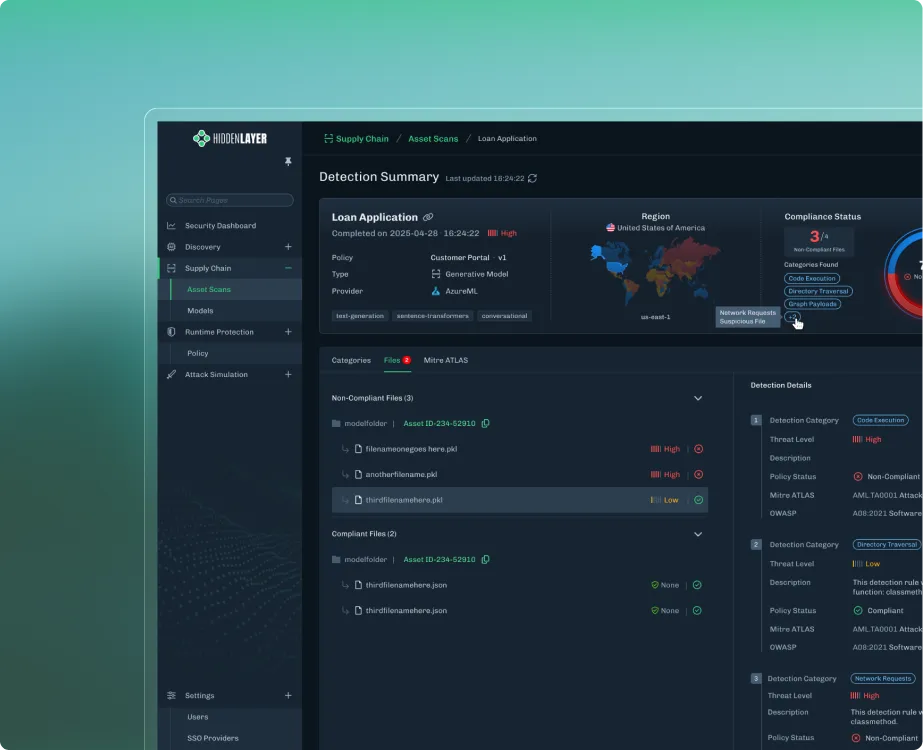
Agentic and MCP Protection
Safeguard autonomous systems and protect against rogue behavior.
Solutions by Role and Industry
Address your AI Security needs by a specific industry or role.
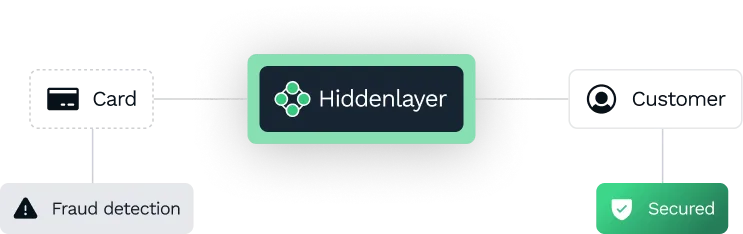
Financial Services
Securely Innovate with AI for Fraud Detection, Trading, Compliance, and Customer Engagement.
AI Executives
Accelerate AI innovation, safely and confidently.
US Federal
Protect Agentic, Generative, and Predictive AI Systems for Mission Assurance.
CISO
Protect AI applications from adversarial attacks, data leakage, and model manipulation, before they become enterprise risks.
Technology
Enable Safe and Scalable AI Adoption.
Application Developers
Build AI applications securely without compromising speed or flexibility.
"As enterprises embrace AI, security can’t be an afterthought. HiddenLayer makes it possible for CISOs to lead with confidence and keep innovation secure."
Tomas Maldonado
CISO, NFL
"Securing AI requires protection across the entire lifecycle. HiddenLayer delivers end-to-end visibility and defense so CISOs can safeguard AI at every stage."
Jerry Davis
Founder, Gryphon X
"Strong governance is critical as AI becomes embedded across enterprises. HiddenLayer provides the comprehensive framework needed to manage risk and align AI adoption with visibility, compliance, and accountability."
Gary McAlum
Prior CISO, AIG
"The integrity of AI systems is as critical as the integrity of our software supply chains. If we can't secure the building blocks of AI, we risk exposing enterprises to new classes of attack. HiddenLayer is tackling this problem at its root, delivering the protections the world needs most."
Thomas Pace
Co-Founder & CEO, NetRise
"AI introduces risks that traditional cybersecurity tools weren't built to handle. HiddenLayer's comprehensive platform consolidates what CISOs need to manage and defend the critical AI tools that enable the business."
Timothy Youngblood
CISO in Residence, Astrix Security
"One of the elements that impresses me about HiddenLayer is the elegance of their technology. Their non-invasive AIDR solution provides robust, real-time protection against adversarial attacks without ever needing to access a customer's sensitive data or proprietary models. This is a game-changer for enterprises in regulated industries like finance and healthcare, as well as federal agencies, where data privacy is paramount."
Doug Merritt Chairman
CEO & President at Aviatrix and prior CEO at Splunk
"AI security demands purpose-built technology and trusted partners to counter AI attack vectors. HiddenLayer arms CISOs with a comprehensive platform to identify and manage AI-specific risks, enabling organizations to innovate with confidence and at the speed of modern business."
Josh Lemos
CISO, GitLab
Trusted. Awarded. Recognized.
Validated by Gartner, RSAC, and leading industry analysts for innovation and leadership in AI security.
Innovation Hub
Research, guidance, and frameworks from the team shaping AI security standards.
insights
XX
min read
The Threat Congress Just Saw Isn’t New. What Matters Is How You Defend Against It.
When safety behavior can be removed from a model entirely, the perimeter of AI security fundamentally shifts.
Last week, researchers from the Department of Homeland Security briefed the U.S. House of Representatives using purpose-modified large language models. These systems had their built-in safety mechanisms removed, and the results were immediate. Within seconds, they generated detailed guidance for mass-casualty scenarios, targeting public figures, and other activities that commercial models are explicitly designed to refuse.
Public coverage has treated this as a turning point. For practitioners, it is the public surfacing of a threat class that has been actively researched and exploited for some time.For organizations deploying AI in high-stakes environments, the demonstration aligns with known attack methods rather than introducing a new one.
What has changed is the level of visibility. The briefing brought a class of threats into a broader conversation, which now raises a more important question: what does it take to defend against them?
Censored vs. Abliterated Models: A Distinction That Changes the Problem
At the center of the DHS demonstration is a distinction that still isn’t widely understood outside of technical circles.
Most commercial AI systems today are censored models, meaning they have been aligned to refuse harmful or disallowed requests. That refusal behavior is what users experience as “safety.”
An abliterated model has had that refusal behavior deliberately removed.
This is fundamentally different from a jailbreak. Jailbreaks operate at the prompt level and attempt to coax a model into bypassing safeguards. Their success varies, and they are often mitigated over time. The operational difference matters. Jailbreaks succeed intermittently and degrade as model providers patch them. Abliteration succeeds reliably on every attempt and is permanent in the weights of the distributed model. From a defender's standpoint, those are different problems.
Abliteration occurs at the weight level. Research has shown that refusal behavior exists as a direction in latent space; removing that direction eliminates the model’s ability to refuse. The result is consistent, persistent behavior that cannot be corrected with prompts, system instructions, or downstream guardrails. From an operational standpoint, this changes where defense must happen.
Once a model has been modified in this way, there is no reliable runtime mechanism to restore the missing safety behavior. The model itself has been altered. These modified models can also be distributed through common channels, such as open-source repositories, embedded applications, or internal deployment pipelines, making them difficult to distinguish without targeted inspection.
Why Traditional Security Approaches Fall Short
A common question that follows is whether existing cybersecurity controls already address this type of risk.
Traditional security tools are designed around code, binaries, and network activity. AI models do not behave like conventional software. They consist of weights and computation graphs rather than executable logic in the traditional sense.
When a model is modified, whether through weight manipulation or graph-level backdoors, the changes often fall outside the visibility of existing tools. The model loads correctly, passes integrity checks, and continues to operate as expected within the application. At the same time, its behavior may have fundamentally changed. This disconnect highlights a gap between what traditional security controls can observe and how AI systems actually function.
Securing the AI Supply Chain
The Congressional briefing showcased one technique. The broader supply-chain attack surface includes several others that defenders must account for in parallel. Addressing that gap starts before a model is ever deployed. A defensible approach to AI security treats models as supply-chain artifacts that must be verified before use. Static analysis plays a critical role at this stage, allowing organizations to evaluate models without executing them.
HiddenLayer’s AI Security Platform operates at build time and ingest, identifying signs of compromise before models reach production environments. The platform’s Supply Chain module is designed to function across deployment contexts, including airgapped and sensitive environments.
The analysis focuses on detecting practical attack methods, including graph-level backdoors that activate under specific conditions (such as ShadowLogic), control-vector injections that introduce refusal ablation through the computational graph, embedded malware, serialization exploits, and poisoning indicators. Static analysis does not address every threat class: weight-level abliteration of the kind demonstrated to Congress modifies weights without altering the graph, and is best mitigated through provenance controls and runtime detection. This is exactly why supply chain security and runtime protection must operate together.
Each scan produces an AI Bill of Materials, providing a verifiable record of model integrity. For organizations operating under governance frameworks, this creates a clear mechanism for validating AI systems rather than relying on assumptions.
Integrating these checks into CI/CD pipelines ensures that model verification becomes a standard part of the deployment process.
Securing the Runtime: Where Attacks Play Out
Supply chain security addresses one part of the problem, but runtime behavior introduces additional risk.
As AI systems evolve toward agentic architectures, models interact with external tools, data sources, and user inputs in increasingly complex ways. This expands the attack surface and creates new opportunities for manipulation. And as agentic systems chain models together, a single compromised component can propagate through the pipeline. We will cover that cascading-trust failure mode in a follow-up.
Runtime protection provides a layer of defense at this stage. HiddenLayer’s AI Runtime Security module operates between applications and models, inspecting prompts and responses in real time. Detection is handled by purpose-built deterministic classifiers that sit outside the model's inference path entirely. This separation is deliberate. A guardrail that is itself an LLM inherits the failure modes of the system it is protecting. The same prompt-engineering, the same indirect injection, and in some cases the same weight-level modification techniques all apply. Defending an LLM with another LLM is a category error. AIDR uses purpose-built deterministic classifiers that sit outside the inference path entirely, so adversarial inputs that defeat the protected model do not also defeat the detector.
In practice, this includes detecting prompt injection attempts, identifying jailbreaks and indirect attacks, preventing data leakage, and blocking malicious outputs. For agentic systems, it also provides session-level visibility, tool-call inspection, and enforcement actions during execution.
The Broader Takeaway: Safety and Security Are Not the Same
The DHS demonstration highlights a broader issue in how AI risk is often discussed. Safety focuses on guiding models to behave appropriately under expected conditions. Security focuses on maintaining that behavior when conditions are adversarial or uncontrolled.
Most modern AI development has prioritized safety, which is necessary but not sufficient for real-world deployment. Systems operating in adversarial environments require both.
What Comes Next
Organizations deploying AI, particularly in high-impact environments, need to account for these risks as part of their standard operating model. That begins with verifying models before deployment and continues with monitoring and enforcing behavior at runtime. It also requires using controls that do not depend on the model itself to ensure safety.
The techniques demonstrated to Congress have been developing for some time, and the defensive approaches are already available. The priority now is applying them in practice as AI adoption continues to scale.
HiddenLayer protects predictive, generative, and agentic AI applications across the entire AI lifecycle, from discovery and AI supply chain security to attack simulation and runtime protection. Backed by patented technology and industry-leading adversarial AI research, our platform is purpose-built to defend AI systems against evolving threats. HiddenLayer protects intellectual property, helps ensure regulatory compliance, and enables organizations to safely adopt and scale AI with confidence. Learn more at hiddenlayer.com.
report and guide
XX
min read
2026 AI Threat Landscape Report
The threat landscape has shifted.
In this year's HiddenLayer 2026 AI Threat Landscape Report, our findings point to a decisive inflection point: AI systems are no longer just generating outputs, they are taking action.
Agentic AI has moved from experimentation to enterprise reality. Systems are now browsing, executing code, calling tools, and initiating workflows on behalf of users. That autonomy is transforming productivity, and fundamentally reshaping risk.In this year’s report, we examine:
The rise of autonomous, agent-driven systems
The surge in shadow AI across enterprises
Growing breaches originating from open models and agent-enabled environments
Why traditional security controls are struggling to keep pace
Our research reveals that attacks on AI systems are steady or rising across most organizations, shadow AI is now a structural concern, and breaches increasingly stem from open model ecosystems and autonomous systems.
The 2026 AI Threat Landscape Report breaks down what this shift means and what security leaders must do next.
We’ll be releasing the full report March 18th, followed by a live webinar April 8th where our experts will walk through the findings and answer your questions.
webinar
XX
min read
HiddenLayer Webinar: 2024 AI Threat Landscape Report
reading time
AI Threat Landscape Report
We all know AI is evolving quickly, from chatbots to autonomous, agentic systems capable of making decisions, executing tasks, and interacting with other systems. But did you know the attack surface grows just as fast?
Our latest report examines how the threat landscape is shifting and what security leaders need to understand as AI becomes foundational to enterprise operations.
Ready to secure your AI?
Start by requesting your demo and let’s discuss protecting your unique AI advantage.